


Tour leading by well trained team
Hassle-free and instant booking
100% customers satisfaction
reasonable price & best service
no hidden cost & secure payment
Lhotse Expedition is a high-altitude adventure near Mount Everest, offering extreme climbing, spectacular Himalayan views, and authentic Sherpa culture.
The Lhotse Expedition with Unique Sherpa Trek & Expedition is a journey to the world’s fourth-highest peak, combining extreme Himalayan geography, hidden cultural experiences, and human resilience in one unforgettable adventure.
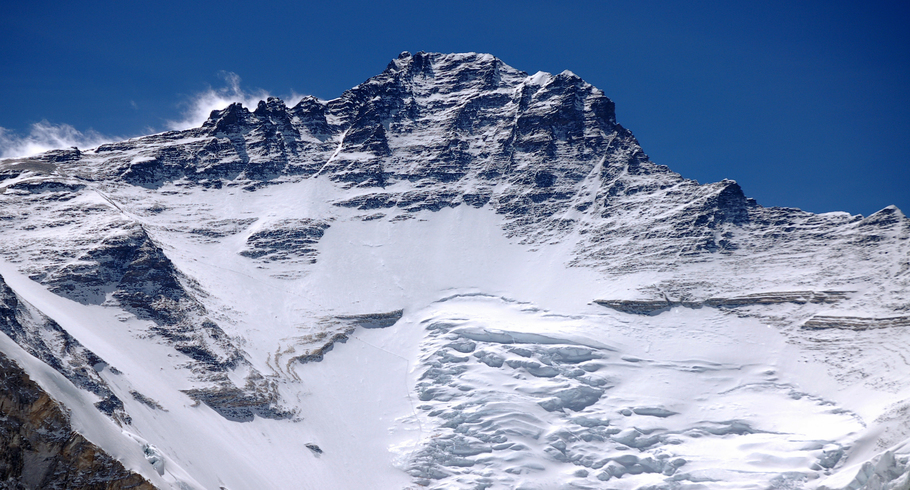
The Lhotse Expedition, organized by Unique Sherpa Trek & Expedition,n takes climbers to the formidable slopes of Lhotse, the world’s fourth-highest mountain at 8,516 meters, located in the majestic Khumbu Region, near the base of the iconic Mount Everest. The region is part of the sacred Sagarmatha National Park, home to ancient Sherpa villages and monasteries that have preserved their Tibetan Buddhist traditions for centuries. Unlike more crowded Everest routes, Lhotse remains less traversed, giving climbers a chance to experience the secret culture, rituals, and lifestyles of Sherpa communities that are deeply connected to the mountains. The villages along the trek are dotted with prayer flags, mani walls, chortens, and monasteries, often hidden in valleys or on cliff edges, reflecting centuries-old spiritual practices. Unique Sherpa Trek & Expedition ensures that climbers experience these cultural treasures authentically and respectfully, while also understanding the hidden history and sacred beliefs tied to Lhotse and surrounding peaks.
Geographically, Lhotse is dramatic and imposing, with its steep south face, towering ridges, and glaciated slopes presenting some of the most challenging terrain in the Himalayas. The expedition begins with a scenic flight to Lukla Airport, followed by a trek through rhododendron and pine forests, alpine meadows, and deep river gorges. As trekkers approach higher camps, they enter glacial valleys with seracs, icefalls, and moraine fields, offering both awe-inspiring views and technical climbing challenges. The proximity to Everest allows climbers to witness the same dramatic Himalayan panoramas while maintaining a sense of solitude and remoteness. Unique Sherpa Trek & Expedition provides expert local guides who are intimately familiar with the hidden crevasses, icefalls, and secret trails, ensuring climbers navigate the mountain safely while learning about the cultural significance of each village, monastery, and sacred site along the way. The Khumbu region’s ecology is remarkable, with endangered species such as snow leopards, Himalayan tahr, and red pandas inhabiting the high valleys.
The human and cultural aspect of the Lhotse Expedition is equally profound. Sherpa guides share stories of the local deities, ancestral spirits, and protective rituals associated with the peaks, many of which are unknown to outside climbers. Villagers’ lives revolve around yak herding, subsistence farming, and seasonal trade, reflecting an enduring relationship between humans and high-altitude nature. Unique Sherpa Trek & Expedition emphasizes responsible tourism, encouraging climbers to engage with these communities in ways that support their livelihoods while preserving their secret traditions. Base camps and high camps are established in harmony with the environment, minimizing impact while maximizing safety and acclimatization. Climbers experience the spiritual energy of the mountains through quiet moments at prayer walls, visits to remote monasteries, and observing local rituals at sunrise or sunset. Every step of the expedition challenges physical endurance, mental resilience, and teamwork, creating a deeply transformative experience. The summit push rewards climbers with 360-degree views of Lhotse, Everest, Nuptse, and surrounding Himalayan giants, combined with the knowledge that they have honored centuries-old traditions along the way. The expedition is more than a climb—it is a journey into secret Himalayan culture, extreme geography, and the human spirit that thrives in isolation. Unique Sherpa Trek & Expedition ensures that every climber not only pursues the summit but also connects with the hidden stories, spiritual energy, and humanity embedded in the Khumbu region. The Lhotse Expedition stands as one of the most authentic, challenging, and culturally enriching high-altitude adventures in Nepal.
Day 1: Arrival at TIA Kathmandu (1,350m) and transfer to the hotel.
Day 2: Preparation day in Kathmandu for the Mt. Lhotse expedition (short activities 3–5 km in 4–5 hours).
Day 3: Sightseeing in Kathmandu Valley and final gear check, covering 10–15 km in 5–6 hours.
Day 4: Fly to Lukla (2,840m / 9,318 ft) and trek to Phakding (2,680m / 8,792 ft), covering 6–7 km in 3–4 hours.
Day 5: Trek from Phakding to Namche Bazaar (3,460m / 11,352 ft), covering 10–11 km in 6–7 hours.
Day 6: Acclimatization hike to Everest View Hotel (3,880m / 12,729 ft) and back, covering 4–5 km in 3–4 hours.
Day 7: Trek from Namche Bazaar to Tengboche Monastery (3,870m / 12,697 ft), covering 9–10 km in 5–6 hours.
Day 8: Trek from Tengboche to Dingboche (4,410m / 14,469 ft), covering 10–11 km in 5–6 hours.
Day 9: Acclimatization hike to Nangkartsang Peak (4,910m / 16,109 ft) and back, covering 4–5 km in 3–4 hours.
Day 10: Trek from Dingboche to Chhukung (4,730m / 15,518 ft), covering 5–6 km in 3–4 hours.
Day 11: Trek from Chhukung to Island Peak Base Camp (5,230m / 17,159 ft), covering 6–7 km in 4–5 hours.
Day 12: Trek from Base Camp to High Camp (5,370m / 17,618 ft), covering 3–4 km in 3–4 hours.
Day 13: Summit Island Peak (6,160m / 20,210 ft) and return to Chhukung, covering 10–12 km in 8–10 hours.
Day 14: Trek from Chhukung to Lobuche (4,940m / 16,207 ft), covering 8–9 km in 5–6 hours.
Day 15: Trek from Lobuche to Gorakshep (5,160m / 16,929 ft), covering 4–5 km in 3–4 hours.
Day 16: Trek from Gorakshep to Lhotse Base Camp (5,360m / 17,585 ft), covering 3–4 km in 3–4 hours.
Days 17- 20: Rest, training, and acclimatization at Base Camp (short climbs 3–5 km daily in 4–6 hours).
Day 21-22: Rotation to Camp I (5,900m / 19,357 ft), covering 5–6 km in 5–6 hours.
Day 23: Return and rest at Base Camp.
Day 24-25: Climb to Camp I again (5,900m), covering 5–6 km in 5–6 hours.
Day 26-27: Climb to Camp II (6,400m / 20,997 ft), covering 4–5 km in 5–6 hours.
Day 28-29: Climb to Camp III (7,100m / 23,294 ft), covering 3–4 km in 5–6 hours.
Day 30: Descend back to Camp II, covering 3–4 km in 3–4 hours.
Day 31-36: Rest and acclimatization at Camp II (6,400m).
Day 37-38: Climb from Camp II to Camp III (7,100m), covering 3–4 km in 5–6 hours.
Day 39: Climb to Camp IV (7,900m / 25,918 ft), covering 2–3 km in ~8 hours.
Day 40: Summit Lhotse (8,516m / 27,940 ft) and descend to Camp II, covering 6–8 km in ~10–12 hours.
Day 41: Return from Camp II to Base Camp, covering 6–7 km in 5–6 hours.
Day 42-43: "Rest at Base Camp"
Day 44: Trek from Base Camp to Pheriche (4,240m / 13,910 ft), covering 12–14 km in 6–7 hours.
Day 45: Trek from Pheriche to Namche Bazaar, covering 18–20 km in 7–8 hours.
Day 46: Trek from Namche Bazaar to Lukla (2,840m / 9,318 ft), covering 18–19 km in 7–8 hours.
Day 47: Fly from Lukla to Kathmandu (30–35 minutes).
Day 48-49: Free/rest days in Kathmandu (optional activities 5–10 km in 4–5 hours).
Day 50: Final departure from Kathmandu (1,350m / 4,429 ft).
